
What is a Variable Frequency Drive
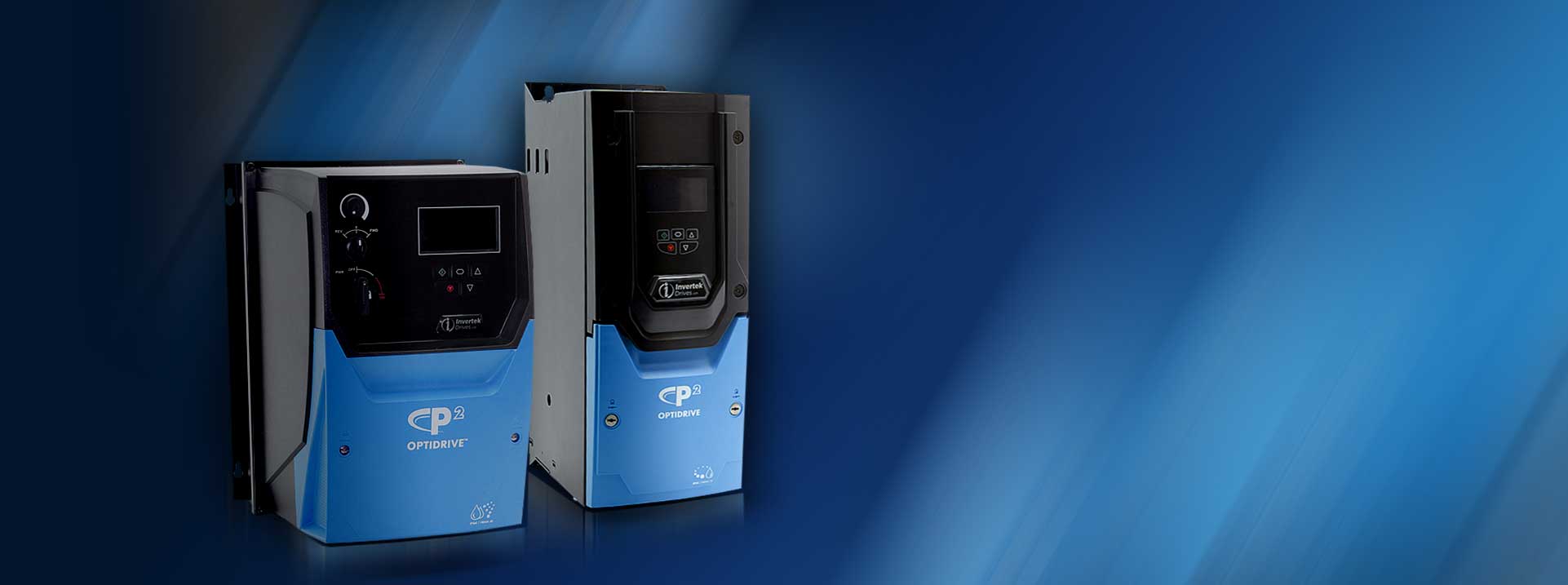
A Variable Frequency Drive (VFD) is an electro-mechanical drive that controls the speed and torque of an AC motor by varying the frequency and voltage of the power supplied.
Instead of a constant speed, a VFD allows the motor to meet the actual demand of the application, which is governed by the basic affinity laws for centrifugal loads: P
(Where P is power and n is shaft speed. This formula proves that a small reduction in speed results in a massive reduction in power consumption—a huge selling point for your customers.)
Key Benefits
| Benefits | How it Works | ROI Impact |
|---|---|---|
| Energy Efficiency | Matches motor speed to actual load requirements | Lower utility bills |
| Soft Starting | Gradually ramps up the motor to full speed. | Reducess mechanical stress/wear. |
| Precision Control | Tight control over flow, pressure or tension | Higher product quality |
| Power Factor | Improves the efficiency of the electrical system | Avoids utility penalty fees |
How a VFD Works
- Rectifier: Converts incoming AC power to DC
- DC Bus: Filters and stores the power.
- Inverter: Uses Pulse Width Modulation (PWM) to convert DC back into a simulated AC sine wave at the desired frequency.
Common Applications
- HVAC Systems: Fans and cooling towers.
- Water/Wastewater: Centrifugal pumps and aeration.
- Manufacturing: Conveyor belts, Lathes, Milling Machine, Grinder.
- Oil & Gas: Electric Submirsible Pumps (ESPs).
FAQ
- What is the difference between a VFD and a Soft Starter? (A soft starter only manages the start/stop, while a VFD manages speed throughout the entire run).
- Can any motor be used with a VFD? (Inverter-duty motors are recommended to handle the heat and voltage spikes).
- How much can I save with a VFD? (Typical ROI is seen within 6–18 months depending on the application).